Introduction
Dance is more than just a series of movements; it’s a universal language that transcends boundaries. When we talk about dance studios, we're not merely referring to spaces where people learn to move rhythmically; we're exploring vibrant hubs of cultural exchange, personal expression, and community building. In this article, we'll delve into "Discovering Diversity: Learning from Instructors at Local Dance Studios," highlighting the invaluable lessons we can glean from diverse instructors who bring their unique backgrounds and experiences to their teaching.
Dance studios are microcosms of society, reflecting the rich tapestry of cultures and traditions. From ballet to hip-hop, salsa to contemporary, each style tells a story that's influenced by its origin. The instructors in these studios play a crucial role in preserving these narratives while also fostering creativity and innovation among their students.
In the following sections, we’ll explore various aspects of learning from local dance instructors, covering everything from the significance of diversity in dance education to the practical benefits of immersing oneself in different dance styles. Let’s embark on this exciting journey together!
The Importance of Diversity in Dance Education
Why Diversity Matters in Dance?
Diversity plays an essential role in dance education for several reasons:
Cultural Awareness: Exposure to different dance styles promotes understanding and appreciation for varied cultures. Creativity: Diverse influences foster creativity, encouraging dancers to blend techniques and styles. Inclusivity: A diverse environment ensures that all students feel represented and valued.Cultural Exchange Through Movement
Dance serves as a bridge between cultures. For example, hip-hop originated from marginalized communities but has since become a global phenomenon. By learning from instructors with different backgrounds, students engage in cultural exchange that enriches their experience.
Case Study: Hip-Hop vs. Traditional Ballet
| Aspect | Hip-Hop | Traditional Ballet | |-----------------|-----------------------------------|-------------------------------------| | Origin | African American communities | European aristocracy | | Technique | Street style | Formal training | | Music | Urban beats | Classical compositions |
Instructors who specialize in various genres offer unique perspectives that can reshape a dancer's approach.
Discovering Different Styles at Local Dance Studios
Ballet: The Foundation of Dance
Ballet is often considered the cornerstone of many dance styles. It emphasizes technique, discipline, and grace.
Learning Classical Techniques
Instructors teach foundational techniques such as pliés and tendus, which are critical for any aspiring dancer. Moreover, learning ballet enhances body awareness and strength.
Contemporary Dance: Embracing Innovation
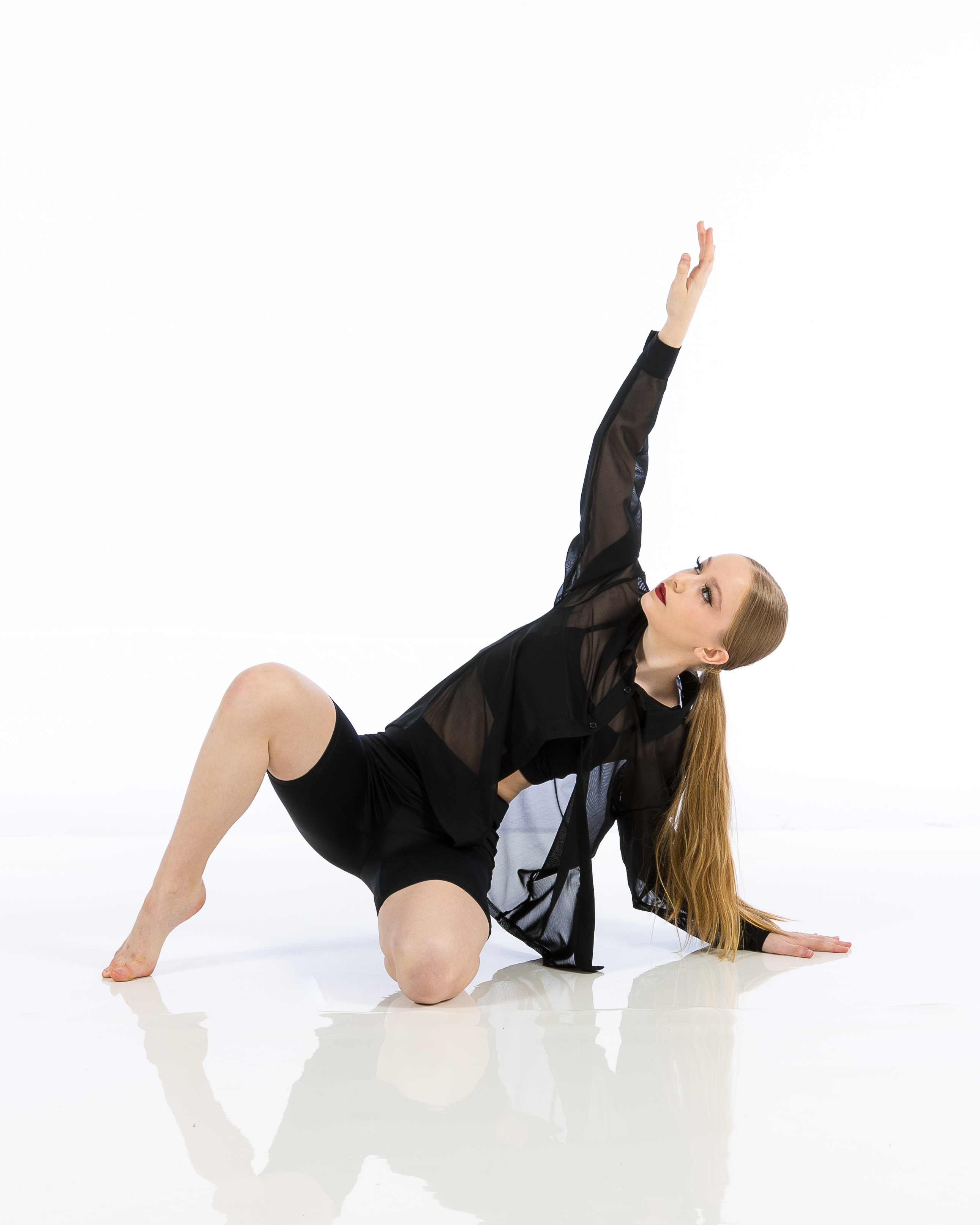
Contemporary dance breaks away from traditional structures, allowing for greater freedom of expression.
Exploring Emotional Depth
Local dance studio instructors often encourage students to explore their emotions through movement—an experience that can be both liberating and introspective.
Hip-Hop: Express Yourself Freely
Hip-hop is all about individuality and expression through street styles.
Street Culture Connection
Instructors often share stories about the origins of hip-hop culture, allowing students to connect deeply with the style they’re learning.
The Role of Instructors in Shaping Dancers’ Experiences
Mentorship Beyond Technique
Instructors do more than just teach steps; they serve as mentors who impart life lessons.
Building Confidence Through Performance
Regular performances help build confidence among dancers—many instructors emphasize this aspect during training sessions.
Creating Safe Spaces for Expression
Local dance studios strive to create nurturing environments where students feel safe expressing themselves without judgment.
Challenges Faced by Diverse Instructors at Local Dance Studios
Breaking Stereotypes in Dance Education
Diverse instructors often face stereotypes regarding their teaching abilities based on their backgrounds or dance styles.
Overcoming Prejudice Through Excellence
Many overcome these challenges by showcasing their skills through exceptional teaching methods that captivate students regardless of origin.
Navigating Cultural Misunderstandings
While cultural exchanges are enriching, they sometimes lead to misunderstandings or misinterpretations of traditions.
Promoting Open Dialogue Among Students and Instructors
Effective communication is key—dance studios can facilitate discussions around cultural sensitivity to promote understanding among students.
Benefits of Learning from Diverse Instructors at Local Dance Studios
Broadening Perspectives on Movement
Exposure to various teaching methodologies allows dancers to broaden their movement vocabulary significantly.
Embracing Different Approaches to Rhythm and Flow
Each instructor brings unique rhythms that can enhance a dancer's versatility on stage or floor.
Fostering Collaboration Among Dancers
Working with diverse instructors encourages collaboration among fellow dancers—creating opportunities for partnerships and group projects within the studio environment.
How Local Dance Studios Are Breaking Barriers
Inclusive Programs for All Ages & Abilities
Local dance studios have made significant strides toward inclusivity by offering programs tailored specifically for individuals with varying physical abilities.
Adaptive Dance Classes
These classes allow participants with disabilities or special needs to enjoy the benefits of dancing while honing their skills alongside peers without limitations.
Affordable Access To Quality Instruction
Many local studios offer scholarships or sliding scale fees so everyone has access regardless of financial background.
The Future Of Diversity In Dance Education
Emerging Trends And Innovations
As society evolves so does our approach towards diversity - new trends are emerging focusing on intersectionality within movements.
Technology Integration In Teaching
With advancements like virtual platforms being utilized by some educators already today’s learners benefit even further through increased accessibility options!
Frequently Asked Questions (FAQs)
What types of dance classes are typically offered at local studios?- Most local studios provide a variety including ballet, jazz, hip-hop contemporary etc., catering towards all age groups!
- Absolutely! Many local studios welcome beginners and create classes designed specifically for those starting out!
- Extremely! Diverse backgrounds promote richer learning experiences while helping foster cultural appreciation!
- Yes! Most do host showcases or recitals providing students chances display what they've learned throughout courses!
- Many offer financial assistance programs aimed ensuring access regardless socio-economic barriers faced by potential students!
- Comfort is key! Depending on your chosen style ensure appropriate footwear (like ballet flats) whilst wearing clothes allowing free movement (yoga pants/t-shirts work great).
Conclusion
The world within local dance studios offers more than professional dance studio just lessons—it’s an opportunity for Discovering Diversity: Learning from Instructors at Local Dance Studios. By embracing various styles taught by culturally diverse teachers we not only enhance our skills but cultivate empathy understanding across wider societal landscapes too! So why wait? Find your nearest studio today dive deep into this beautiful art form experiencing everything it has truly offers!